Charged with Drug Trafficking in Malaysia? This Is What Happens Next in Court
If you or a family member has been charged with a Section 39B drug trafficking offence in Malaysia, you are likely in a state of urgency — searching for a drug trafficking lawyer or a Section 39B lawyer in Kuala Lumpur or Selangor to understand what will happen in court.
The most critical phase of your case begins here:
👉 The Prosecution Stage of Trial (Prima Facie Stage)
This is the stage where the prosecution attempts to prove its case against you.
If they fail — you can be acquitted immediately without entering your defence.
What Must the Prosecution Prove in a Section 39B Drug Trafficking Trial?
In every drug trafficking case in Malaysia, the prosecution must establish the following key elements:
- That the substance is a dangerous drug
- That you had custody and control of the drug
- That you had knowledge of the drug
- That there was an act of trafficking
If the prosecution fails to prove any one of these elements, there is no prima facie case — and the accused must be acquitted at this stage.
Who Are the Prosecution Witnesses in a Drug Trafficking Trial?
During the prosecution stage, multiple witnesses will be called to testify. Each plays a specific role in attempting to prove the elements of the charge.
Understanding these witnesses is critical — because this is where an experienced drug trafficking lawyer will begin dismantling the prosecution’s case.
1. Store Keeper (Pegawai Stor)
The officer responsible for handling and safeguarding the seized drugs.
- Records movement of exhibits
- Refers to: Borang Pendaftaran Barang Kes
- Supports chain of custody
2. Complainant / Arresting Officer (Raiding Officer)
Usually the lead officer in the raid.
- Explains how and where the drugs were discovered
- Prepares the police report
- Central to proving:
- Custody and control
- Knowledge
👉 Any inconsistency here can collapse the prosecution’s case.
3. Supporting Raiding Officers
Other officers involved in the operation.
- Called to corroborate the complainant’s version
- Usually 2–3 will testify
⚠️ This is where strong defence work matters:
Inconsistencies between officers can create reasonable doubt.
4. Chemist (Ahli Kimia)
One of the most important witnesses.
- Confirms whether the substance is a dangerous drug
- Produces the chemist report
- Testifies on:
- Weight before analysis (“sebelum kimia”)
- Weight after analysis
5. Photographer (Jurugambar)
- Documents:
- Scene of crime
- Location of drugs
- Seizure process
6. Owner of Premises
If drugs are found in a house:
- Confirms tenancy or ownership
- Links accused to the premises
- Supports custody and control
7. Vehicle Owner
If drugs are found in a vehicle:
- Explains why the vehicle was with the accused
- Rental / borrowing / ownership
8. Building / Condo Management
- Provides access records
- Parking allocation
- Tenant details
9. CCTV Handler
- Produces CCTV footage
- Establishes movement and presence
10. DNA Forensic Expert
- Analyses DNA evidence
- Links individuals to location or exhibits
11. Fingerprint Expert
- Conducts fingerprint analysis
- Links accused to drug exhibits
12. Investigating Officer (IO)
The most critical prosecution witness.
- Explains entire investigation
- Justifies how all elements are proven
👉 The strength or weakness of the case often rests heavily on the IO.
What Happens When Each Witness Comes to Court?
Every prosecution witness goes through three stages:
1. Examination-in-Chief (Pemeriksaan Utama)
The prosecution leads the witness to present their evidence.
2. Cross-Examination (Pemeriksaan Balas)
This is where a criminal defence lawyer challenges:
- Inconsistencies
- Weaknesses
- Gaps in investigation
👉 This is the most critical stage of the entire trial.
3. Re-Examination (Pemeriksaan Semula)
The prosecution attempts to clarify or repair any damage done during cross-examination.
Why This Stage Is Critical in a Drug Trafficking Case
All prosecution witnesses together form the foundation of the case.
Their combined evidence must establish:
- Custody and control
- Knowledge
- Trafficking
👉 If this chain breaks at any point, the prosecution fails.
This is where an experienced Section 39B lawyer focuses on:
- Breaking the chain of evidence
- Challenging inconsistencies
- Creating reasonable doubt
What Happens After the Prosecution Closes Its Case?
Once all witnesses have testified:
1. Prosecution Closes Its Case
2. Submission Stage (Hujahan Bertulis)
Both sides file written submissions on whether a prima facie case has been established.
- Defence argues: No case made out
- Prosecution argues: Case established
3. Court’s Decision
The High Court will decide:
👉 If NO prima facie case:
➡️ The accused is acquitted immediately
👉 If prima facie case is established:
➡️ The accused must enter defence
Drug Trafficking Lawyer in Kuala Lumpur and Selangor
If you or your family member is facing a Section 39B drug trafficking charge, obtaining advice from an experienced drug trafficking lawyer in Kuala Lumpur or Selangor is critical.
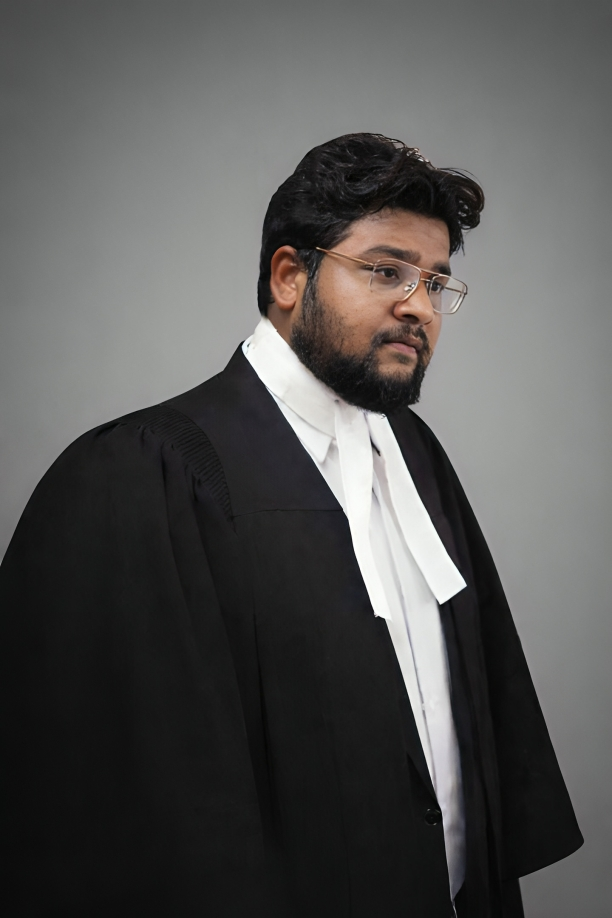
Criminal Lawyer Sivahnanthan Ragava, an experienced criminal defence lawyer, represents clients in serious criminal cases including:
- Section 39B drug trafficking charges
- Drug possession and distribution offences
- High Court criminal trials
- Appeals in drug cases
Clients often seek advice:
- Immediately after arrest
- When charged in court
- When the case is transferred to the High Court
Early legal advice can determine:
- Whether to challenge the prosecution’s case
- Whether to submit representations
- Whether to proceed to full trial
Why Choosing the Right Section 39B Lawyer Matters
A drug trafficking charge in Malaysia carries extremely severe penalties.
The strategy adopted during the prosecution stage can determine whether:
- The case is dismissed early
- The accused is called to enter defence
- The matter proceeds to full trial
An experienced drug trafficking lawyer will assess:
- Strength of prosecution evidence
- Weaknesses in investigation
- Opportunities to break the chain of custody
- Inconsistencies in witness testimony
Final Note: This Stage Can Decide the Entire Case
The prosecution stage is not just a formality.
👉 It is the stage where the case can be won or lost immediately.
If handled correctly, it is possible to:
- Break the prosecution’s case early
- Secure an acquittal without entering defence
If you are searching for a drug trafficking lawyer, Section 39B lawyer, or criminal lawyer in Kuala Lumpur or Selangor, understanding this stage is the first step — but acting early is critical.
Related Guides:
The journey through the Malaysian justice system starts the moment someone is taken into custody. Knowing what to do immediately after a drug arrest in Malaysia is the first hurdle, followed closely by understanding the 17 things police do during drug trafficking investigations. Families often struggle with the question of whether you can get bail for Section 39B, but the reality of the process involves a long wait from the first day of charge until the chemist report is ready. You must learn what happens after the chemist report is finalized and how cases transferred from the Magistrate’s Court to the High Court function. Success depends on avoiding the 13 fatal mistakes most people make after a Section 39B arrest and understanding what a criminal lawyer does from the moment of arrest until trial. Before hiring, review what you must know before appointing a criminal lawyer and the 5 critical steps to take before choosing a drug trafficking lawyer. Finally, your defense must tackle the prosecution stage and prima facie explanation, potentially focusing on how to win Section 39B cases by exploiting a break in the chain of evidence.
Contact Us Today: