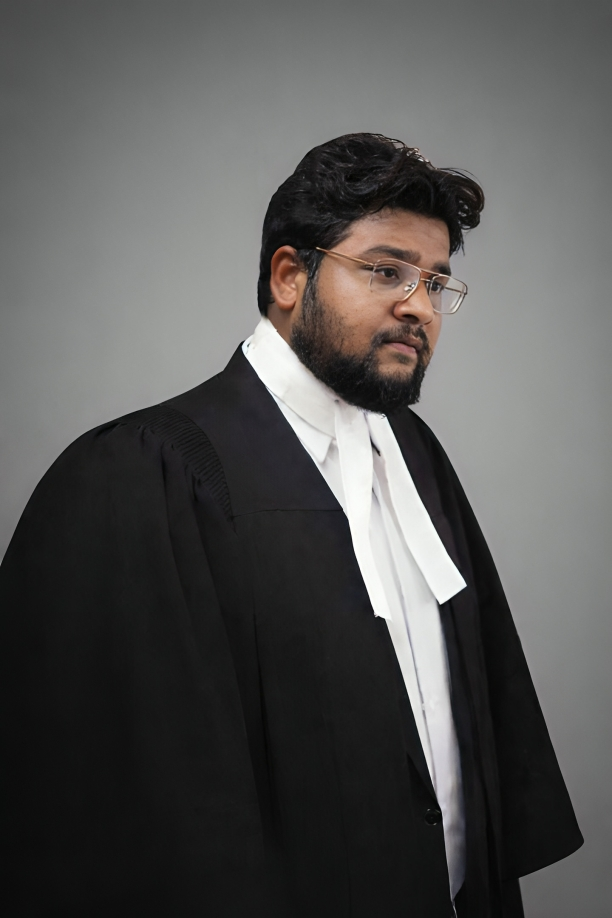
Explained by Criminal Defence Lawyer Sivahnanthan Ragava
If you or a family member has just been arrested for a drug trafficking offence in Malaysia, you may urgently be searching for a drug trafficking lawyer or a Section 39B lawyer in Kuala Lumpur or Selangor. Drug trafficking charges under Section 39B of the Dangerous Drugs Act 1952 are among the most serious criminal offences in Malaysia. Once a case is transferred from the Magistrates’ Court to the High Court, the legal process becomes significantly more complex and the consequences far more serious.
In this article, criminal defence lawyer Sivahnanthan Ragava explains what happens in the High Court after a Section 39B drug trafficking charge is transferred from the Magistrates’ Court, and the legal options that may be available to the accused.
When a person is charged with drug trafficking under Section 39B, the case will usually first be mentioned in the Magistrates’ Court before being transferred to the High Court of Malaya for trial, as the High Court has jurisdiction to hear serious criminal offences.
For many families, the moment a case reaches the High Court stage can be extremely stressful. It is common for families to immediately begin searching online for a drug trafficking lawyer, a Section 39B lawyer, or an experienced criminal defence lawyer in Kuala Lumpur or Selangor to understand what happens next and what legal strategies may be available.
In criminal defence lawyer Sivahnanthan Ragava’s experience handling Section 39B drug trafficking cases, understanding the High Court process is crucial because the decisions made at this stage can significantly affect the outcome of the case.
The First High Court Appearance: Taking the Accused Person’s Plea
Once the case has been transferred to the High Court, the accused person will be asked to enter a plea.
There are generally three possible options at this stage:
- Plead guilty
- Claim trial
- Send a representation letter to the Attorney General’s Chambers (AGC) requesting withdrawal or reduction of the charge
Each option carries very serious consequences. Because Section 39B drug trafficking charges carry extremely severe penalties, it is crucial to obtain advice from a criminal defence lawyer experienced in drug trafficking cases before making any decision.
Option 1: Pleading Guilty in a Section 39B Drug Trafficking Case
Some accused persons assume that if they intend to plead guilty, they should do so immediately during the first High Court appearance.
However, in criminal defence lawyer Sivahnanthan Ragava’s experience handling Section 39B drug trafficking cases, it is often not advisable to plead guilty immediately on the first High Court date.
Why You Should Not Plead Guilty Immediately
The main reason is simple.
If there is a possibility of obtaining a reduced charge under Section 39A(2) through a representation letter, why plead guilty to a much more serious charge under Section 39B?
A conviction under Section 39B of the Dangerous Drugs Act 1952 carries extremely severe penalties, including:
- Life imprisonment
- The possibility of the death penalty depending on the circumstances
However, if the prosecution agrees to reduce the charge to Section 39A(2), the punishment is significantly lower.
Therefore, in criminal defence lawyer Sivahnanthan Ragava’s experience handling Section 39B drug trafficking cases, it is often strategically better to wait until the prosecution documents are served and a representation letter is sent to the Attorney General’s Chambers before deciding whether to plead guilty.
The Importance of Receiving Section 51 Documents
Before deciding on any strategy, the defence must first study the prosecution’s evidence.
Under Section 51 of the Criminal Procedure Code, the prosecution must provide the defence with the relevant investigation documents.
These documents may include:
- Witness statements
- Chemistry reports
- Forensic reports
- Investigation papers
- Other documentary evidence relied upon by the prosecution
These documents are usually served after one or more case management dates in the High Court.In practice, this process may take one to three months or sometimes longer, especially in complex drug trafficking cases involving large volumes of evidence.
Sending a Representation Letter to the Attorney General’s Chambers
Once the defence has received and reviewed the prosecution documents, the defence lawyer may decide to send a representation letter to the Attorney General’s Chambers (AGC). A representation is a formal request asking the prosecution to reconsider the charge.For example, the defence may request that the Section 39B drug trafficking charge be reduced to Section 39A(2).
If the prosecution accepts the representation, the accused person can then plead guilty to the reduced charge, which usually results in a significantly lighter sentence.This strategy can save the accused person from facing the extremely severe penalties associated with Section 39B.
Option 2: Claiming Trial for a Drug Trafficking Charge
The second option is to claim trial. If the accused person chooses to contest the charge, the case will proceed to a full trial in the High Court.
Fixing Trial Dates in Drug Trafficking Cases – After the prosecution serves the Section 51 documents, the High Court will fix trial dates.However, the courts in Kuala Lumpur and Selangor are extremely busy, especially for serious criminal cases. Because of this, trial dates are rarely fixed immediately. In criminal defence lawyer Sivahnanthan Ragava’s experience handling Section 39B drug trafficking cases, it is very common for trial dates to be scheduled many months or even more than a year after the case management stage.
As a result, the entire process — from the initial charge in the Magistrates’ Court until the completion of the High Court trial — can sometimes take three to four years. This is why it is crucial to engage a drug trafficking lawyer experienced in High Court criminal trials.
Option 3: Representation Requesting Withdrawal of the Entire Case
The third option is to submit a representation letter asking the prosecution to withdraw the entire charge.This outcome is rare, but it can happen in certain circumstances where the evidence against the accused person is weak or where serious investigative issues arise.In such cases, the defence lawyer may present new evidence or legal arguments to the Attorney General’s Chambersshowing why the prosecution should discontinue the case.
Real Case Examples from Criminal Defence Lawyer Sivahnanthan Ragava
In criminal defence lawyer Sivahnanthan Ragava’s experience handling drug trafficking cases, there have been situations where carefully prepared representations led to the case being discontinued before trial.
Case Example 1: Representation Resulted in Release
In one case, a foreign woman was present in a room when the police conducted a raid. Drugs were allegedly discovered in the room.Another individual fled the scene.The defence submitted a representation to the Attorney General’s Chambers highlighting the circumstances of the arrest and the lack of evidence linking the accused person to the drugs.The prosecution eventually withdrew the case, and the accused person was released without having to go through a full trial.
Case Example 2: Evidence Showing Drugs Were Planted
In another case, drugs were discovered in a client’s vehicle.The defence conducted independent enquiries and obtained CCTV footage showing that another individual had accessed the vehicle shortly before the police arrived.This evidence was submitted to the Attorney General’s Chambers through a representation letter.After reviewing the new evidence, the prosecution discontinued the case before the trial began.
Drug Trafficking Lawyer in Kuala Lumpur and Selangor
If you or a family member is facing a Section 39B drug trafficking charge, it is important to obtain legal advice from a criminal defence lawyer experienced in handling drug trafficking cases in the High Court. Criminal defence lawyer Sivahnanthan Ragava represents clients charged with serious criminal offences, including complex drug trafficking prosecutions under the Dangerous Drugs Act 1952.
His legal practice includes representing clients in matters involving:
- Drug trafficking charges under Section 39B of the Dangerous Drugs Act 1952
- Drug possession and distribution offences
- High Court criminal trials involving serious drug offences
- Appeals involving convictions or sentences in drug cases
Clients and families searching for a drug trafficking lawyer in Kuala Lumpur or Selangor often seek legal advice immediately after an arrest or when a Section 39B case is transferred from the Magistrates’ Court to the High Court.
Obtaining early legal advice can be critical in determining the appropriate strategy, including whether representations should be sent to the Attorney General’s Chambers, whether the defence should challenge the prosecution’s evidence, or whether the matter should proceed to full trial in the High Court.
Why Choosing an Experienced Drug Trafficking Lawyer Is Crucial
A Section 39B drug trafficking charge is one of the most serious criminal offences in Malaysia.Because the penalties are extremely severe, the legal strategy adopted at the High Court stage can significantly affect the outcome of the case.
In criminal defence lawyer Sivahnanthan Ragava’s experience handling Section 39B drug trafficking cases, a careful assessment of the prosecution’s evidence is essential before deciding the appropriate course of action.
An experienced drug trafficking lawyer will typically evaluate:
- The strength of the prosecution’s evidence
- Possible weaknesses in the police investigation
- Whether representations should be submitted to the Attorney General’s Chambers
- Whether the case should proceed to a full High Court trial
For anyone facing a drug trafficking charge in Kuala Lumpur, Selangor, or elsewhere in Malaysia, obtaining advice from a lawyer experienced in serious criminal defence and Section 39B drug trafficking cases can be crucial in determining the most appropriate legal strategy.
Frequently Asked Questions About Section 39B Drug Trafficking Cases in Malaysia
When does a drug trafficking case go to the High Court in Malaysia?
Drug trafficking offences under Section 39B of the Dangerous Drugs Act 1952 are tried in the High Court of Malaya. The case will usually first appear in the Magistrates’ Court for mention before it is transferred to the High Court for trial.
What happens after a Section 39B drug trafficking charge is transferred to the High Court?
Once the case reaches the High Court, the accused person will be asked to enter a plea. The defence lawyer will also obtain the prosecution’s documents under Section 51 of the Criminal Procedure Code and assess the strength of the evidence before deciding whether to proceed to trial or submit representations to the Attorney General’s Chambers.
Can a Section 39B drug trafficking charge be reduced?
In some cases, the defence lawyer may submit a representation letter to the Attorney General’s Chambers requesting that the charge be reduced, for example from Section 39B to Section 39A(2) of the Dangerous Drugs Act 1952.
If the representation is accepted, the accused person may plead guilty to the reduced charge, which carries a significantly lower sentence compared to Section 39B.
How long does a Section 39B drug trafficking trial take in Malaysia?
Because High Court criminal courts in Kuala Lumpur and Selangor are often busy, trial dates are usually fixed many months after the case management stage. In some situations, the entire case from arrest until the conclusion of trial may take several years.
Should I hire a drug trafficking lawyer immediately after an arrest?
Yes. Because drug trafficking charges carry extremely severe penalties, it is important to obtain advice from a criminal defence lawyer experienced in Section 39B drug trafficking cases as early as possible.
Early legal advice allows the defence lawyer to review the evidence, advise on possible legal strategies, and determine whether representations should be made to the Attorney General’s Chambers.
How can a drug trafficking lawyer help in a Section 39B case?
An experienced drug trafficking lawyer will review the prosecution’s evidence, examine whether there are weaknesses in the investigation, assess whether representations should be submitted to the Attorney General’s Chambers, and represent the accused person throughout the High Court trial process.
About the Author
Sivahnanthan Ragava is a criminal defence lawyer based in Kuala Lumpur who specialises in serious criminal cases, including drug trafficking offences under Section 39B of the Dangerous Drugs Act.He regularly represents accused persons in drug trafficking cases before the High Court in Kuala Lumpur and Selangor.
If you or a family member has been arrested or charged with a drug trafficking offence, it is important to seek legal advice immediately.Sivahnanthan Ragava is available to be contacted at any time, including outside normal office hours. Unlike many law firms that close at 5pm, urgent criminal cases can arise at any time of the day or night.If you require an experienced drug trafficking lawyer or Section 39B lawyer in Kuala Lumpur or Selangor, you may contact Sivahnanthan Ragava directly for legal assistance.