Kuala Lumpur High Court Acquits Singer of Drug Trafficking Charge
A female singer known as “Em” (wants identity to be disclose), who was the third accused person (OKT) in a drug trafficking case, was discharged and acquitted by the High Court in Kuala Lumpur without her defence being called after the court found that the prosecution had failed to establish a prima facie case against her.
The decision was delivered by High Court Judge Noor Ruwena Nordin, who ruled that the evidence presented by the prosecution was insufficient to link the accused to the drugs allegedly discovered during a police operation.
As a result of the decision, the accused was fully acquitted of the drug trafficking charge, thereby avoiding the severe penalties prescribed under Malaysian law, including the death penalty or life imprisonment with whipping upon conviction.
Background of the Drug Trafficking Charge
The accused had previously been charged together with three other individuals for allegedly trafficking approximately 400 grams of cocaine.
According to the prosecution, the drugs were allegedly discovered during a police raid conducted at a residence in Brickfields, Kuala Lumpur on 23 November 2023.
The charge was framed under:
Section 39B(1)(a) of the Dangerous Drugs Act 1952, read together with Section 34 of the Penal Code.
Under Malaysian law, a conviction for trafficking under Section 39B carries extremely serious penalties, including:
-
Death penalty, or
-
Life imprisonment and whipping
Because of the gravity of the charge, the prosecution is required to establish a strong prima facie case before an accused person can be called to enter his or her defence.
High Court Finds No Prima Facie Case Against the Accused
After the prosecution concluded its case and all witnesses had testified, the High Court evaluated the evidence presented.
The court ultimately ruled that the prosecution had failed to establish a prima facie case against the third accused, Em.
As a result, the court ordered that she be discharged and acquitted without being called to enter her defence.
The ruling meant that the prosecution had failed to produce sufficient evidence to connect the accused to the drugs allegedly found in the premises.
Defence: No Evidence Linking the Accused to the Drugs
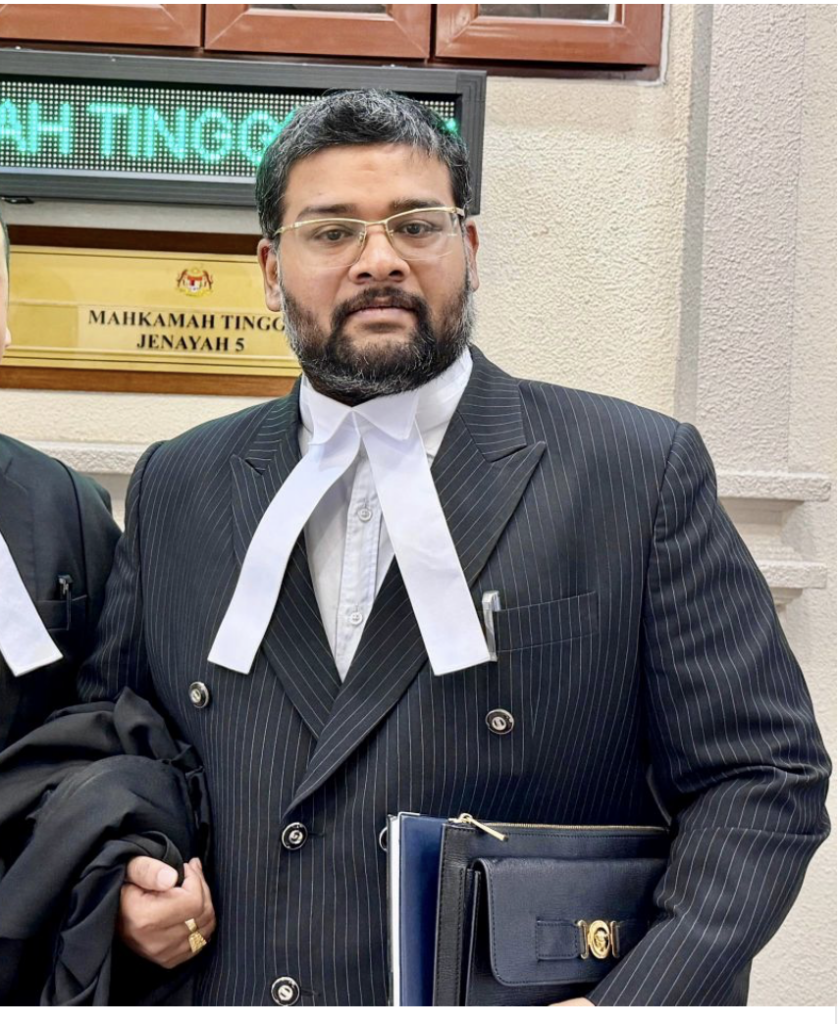
Counsel for the accused, criminal defence lawyer Sivahnanthan Ragava, stated that the High Court’s decision clearly demonstrated that the evidence presented by the prosecution was insufficient.
According to the defence:
-
Although the drugs were allegedly discovered inside the house,
-
there was no clear evidence linking the accused to the drugs, and
-
the court was not satisfied that the accused had custody, possession, or control over the substances.
In serious criminal charges such as drug trafficking under Section 39B of the Dangerous Drugs Act 1952, the burden on the prosecution to prove the case is extremely high.
Where the evidence fails to establish the necessary legal elements of possession, custody, or control, the court is required to acquit the accused person at the end of the prosecution’s case.
Other Accused Ordered to Enter Defence
While the High Court found that there was no prima facie case against Em, the court ruled differently for the other accused persons in the case.
For the first, second and fourth accused, the High Court held that the prosecution had established a prima facie caseagainst them.
As a result, those accused persons were called to enter their defence.
Understanding Prima Facie in Drug Trafficking Trials in Malaysia
In Malaysian criminal trials, particularly those involving drug trafficking under Section 39B of the Dangerous Drugs Act 1952, the court must determine at the end of the prosecution’s case whether a prima facie case has been established.
A prima facie case means that the prosecution has presented sufficient credible evidence which, if left unrebutted, could potentially lead to a conviction.
If the court finds that a prima facie case has not been established, the accused must be discharged and acquitted without being called to enter a defence.
This safeguard ensures that an accused person is not forced to defend themselves where the prosecution has failed to prove the essential elements of the charge.
Defence Counsel
The third accused, Em, was represented by criminal defence lawyer Sivahnanthan Ragava.
Sivahnanthan Ragava is an advocate and solicitor who focuses on criminal litigation, including serious criminal offences and drug trafficking cases under Section 39B of the Dangerous Drugs Act 1952.
Verified Media Coverage of This Case
This case has been widely reported by multiple Malaysian media outlets, including Bernama, as well as other national news platforms.
Verified media reports include coverage by:
-
Mahkamah Bebas Penyanyi Kelab Daripada Tuduhan Edar Kokain – Bernama – 18 Mac 2026
-
Penyanyi kelab bebas tuduhan edar kokain – Free Malaysia Today – 18 Mac 2026
-
Singer acquitted of cocaine trafficking charge – Free Malaysia Today – 18 March 2026
-
Penyanyi wanita lepas dan bebas kes edar dadah – Malaysia Gazette – 18 Mac 2026
-
Penyanyi wanita terlepas hukuman gantung kes edar dadah – Sinar Harian – 18 Mac 2026
-
Penyanyi wanita lepas bebas tuduhan edar dadah – Harian Metro – 18 Mac 2026
-
Penyanyi wanita lepas bebas tuduhan edar dadah – Buletin TV3 – 18 Mac 2026
-
Penyanyi wanita dibebas dilepaskan atas tuduhan edar heroin – Berita Harian – 18 Mac 2026
-
Penyanyi wanita terlepas hukuman gantung kes edar dadah – Astro Awani – 18 Mac 2026
-
High Court Acquits Club Singer of Cocaine Trafficking Charge – Lumi News – 18 March 2026
-
Singer walks free after High Court dismisses cocaine trafficking case – New Straits Times – 18 March 2026






Legal Note
Drug trafficking cases in Malaysia are among the most serious criminal prosecutions conducted in the High Court.
Charges under Section 39B of the Dangerous Drugs Act 1952 carry extremely severe consequences, and each case depends heavily on the quality of the prosecution’s evidence, the circumstances of the alleged possession, and the ability to establish control or knowledge of the drugs in question.
Where the prosecution fails to establish these essential elements, the court is required to enter an acquittal at the end of the prosecution’s case.
About the Defence Counsel
Sivahnanthan Ragava is a Malaysian criminal lawyer in Kuala Lumpur and the founder of Chambers of Sivahnanthan Ragava – Advocates & Solicitors. He represents accused persons in serious criminal trials, including drug trafficking cases under Section 39B of the Dangerous Drugs Act 1952 in the High Court.His cases and legal commentary have been reported by multiple Malaysian media outlets.Individuals facing drug trafficking charges should seek legal advice or legal services from an experienced drug trafficking lawyer in Kuala Lumpur.