If you or a loved one has been arrested under Section 39B of the Dangerous Drugs Act 1952 In Kuala Lumpur and Selangor, the first 24 hours are a whirlwind of confusion and fear. As a criminal lawyer specializing in drug trafficking cases in Kuala Lumpur and Selangor, I have seen how the actions taken during the remand period define the outcome of a trial.
Understanding the police investigation process is the first step toward building a solid defense. Below, I break down the 17 critical procedures the Royal Malaysia Police (PDRM) conduct during a drug trafficking investigation.
The Remand Process: 14 Days to Build a Case
When an arrest occurs, the Raiding Officer (RO) must lodge a “Report Tangkapan” (Arrest Report). Within 24 hours, you must be produced before a Magistrate for a remand order.
Under Section 117 of the Criminal Procedure Code, the Investigating Officer (IO) can apply for remand. For a Section 39B drug trafficking charge:
-
First Application: Maximum 7 days.
-
Second Application: Maximum 7 days.
-
Total: A maximum of 14 days.
From Sivahnanthan Ragava’s experience defending high-stakes cases in KL and Selangor, the Magistrate typically grants 3–6 days per application unless there are exceptionally cogent reasons for the full 14 days.
17 Critical Steps in a Drug Trafficking Investigation
1. Recording the Cautioned Statement
This is the “make or break” moment. This statement forms the foundation of the prosecution’s case. The police use this to determine if you had knowledge, custody, and control over the drugs.
Strategic Tip: If you mention an Alcontara Notice—stating that the drugs belong to someone else (e.g., a friend who left a bag in your car)—the IO is legally required to investigate that lead. Providing this early can be the difference between a charge and an acquittal.
2. Photographing the Drugs
The police will photograph the seized substances to establish the “Chain of Evidence.” This ensures the drugs found at the scene are the same ones brought to court.
3. Weighing (The “Sebelum Kimia” Weight)
The weight recorded at the police station determines your charge. For example, if cannabis weighs over 200 grams, a Section 39B (Trafficking) file is opened. If it is 199 grams, it falls under Section 39A(2). This is later verified by a chemist (the “Lepas Kimia” weight).
4. Summoning and Tracing Witnesses
The IO will record statements from anyone relevant. If drugs were found in a rented room, the owner will be summoned to provide the tenancy agreement and payment records.
5. Crime Scene Photography
The police will document the exact location of the find—whether it was in a car compartment, a trouser pocket, or a hidden floorboard in a house.
6. Fingerprint Dusting (Forensics)
Forensic teams check drug packets for prints. If fingerprints belonging to someone else are found, it strongly supports the defense that you did not have exclusive possession.
7. DNA Testing and Profiling
Samples are taken from items like toothbrushes, cigarette butts, or towels at the scene. While a positive match links you to the location, multiple DNA profiles suggest that other people had access to the area.
8. Marking the Drug Exhibits
Every single packet (e.g., A1 to A100) must be marked and signed by both the Raiding Officer and the Investigating Officer.
9. Submission to the Chemist Department
The IO sends the exhibits to the Chemistry Department and receives a Resit Kimia (Chemistry Receipt). This document is vital for proving the chain of evidence. Learn more about exploiting the break in the chain of evidence to win your case.
10. CCTV Evidence Retrieval
IOs will scour the vicinity (condos, petrol stations, highways) for footage. This can either incriminate an accused or prove their innocence by showing who actually handled the bags.
11. Investigating the Raiding Team
A raid often involves up to 20 officers. The IO must record statements from each one to ensure the “Report Tangkapan” is consistent with the facts.
12. Tracing Co-Accused and Accomplices
The police will use phone records and intelligence to locate other potential suspects mentioned in your statement or found through digital forensics.
13. Verifying Ownership via Government Agencies
The IO will contact JPJ (for vehicle ownership) or the Land Office (for property ownership) to officially link the accused to the place where drugs were seized.
14. Compulsory Urine Tests
In 99.9% of trafficking cases, a urine test is conducted. If you are facing a charge, you need to know the immediate steps to take after a drug arrest in Malaysia.
15. Preparing the Investigation Paper (IP)
The IO compiles the Borang Bongkar (Search List), POL-31, and the Borang Serah Menyerah (Handover Form). These documents are the backbone of the prosecution’s file.
16. DNA Sampling at the Hospital
The accused is typically taken to a government hospital for a formal blood or DNA sample to be cross-referenced with forensic evidence found at the scene.
17. Final Referral to the DPP
Once steps 1-16 are complete, the IP is sent to the Deputy Public Prosecutor (DPP). The DPP decides:
-
To Charge: Usually under Section 39B.
-
To Release: If evidence is insufficient (No Further Action – NFA).
In one 2019 case handled by my firm, a client was released after the 14-day remand because we proved he was merely a visitor at the house and had no knowledge of the drugs hidden under a bed in the master bedroom.
Why You Need a Section 39B Lawyer Immediately
Section 39B carries the death penalty or life imprisonment with whipping. You cannot afford to wait. There is no bail for Section 39B offences, which makes the investigation stage your only window to influence the DPP’s decision.
Before you appoint representation, read my guide on choosing a drug trafficking lawyer in Kuala Lumpur and Selangor.
About the Author
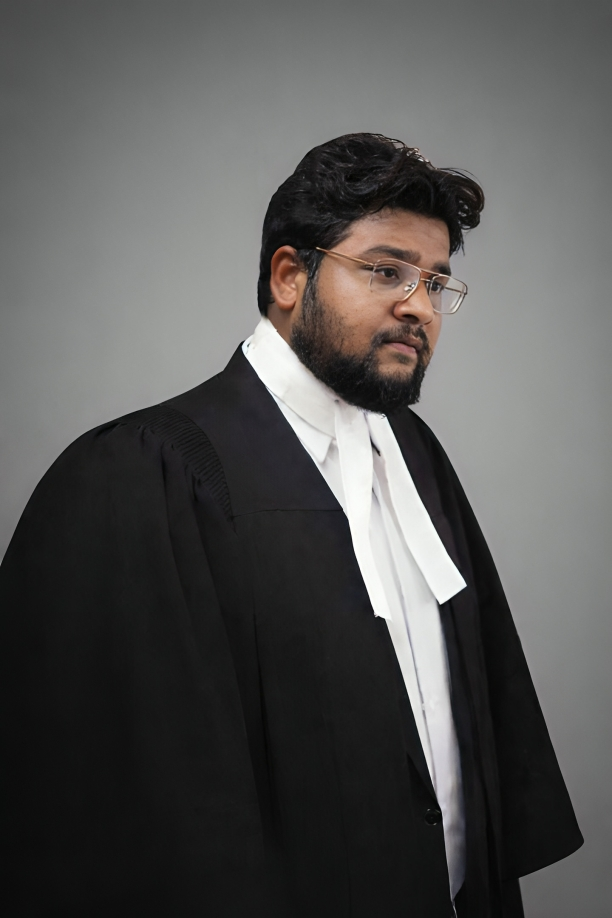
Sivahnanthan Ragava is a criminal lawyer who specializes in Section 39B drug trafficking cases in Kuala Lumpur and Selangor. With extensive experience in the High Court of Malaya, he focuses on defending the rights of the accused through meticulous scrutiny of police procedures and forensic evidence.
Need Urgent Legal Help?
-
View our Success Stories: Drug Case Wins & Media
-
Legal Services: Drug Lawyer Malaysia
-
Contact Us Directly: Sivahnanthan Ragava Law Office